Ascolta! 8 Little Italian Quirks You’ll Only Notice Once You Live Here
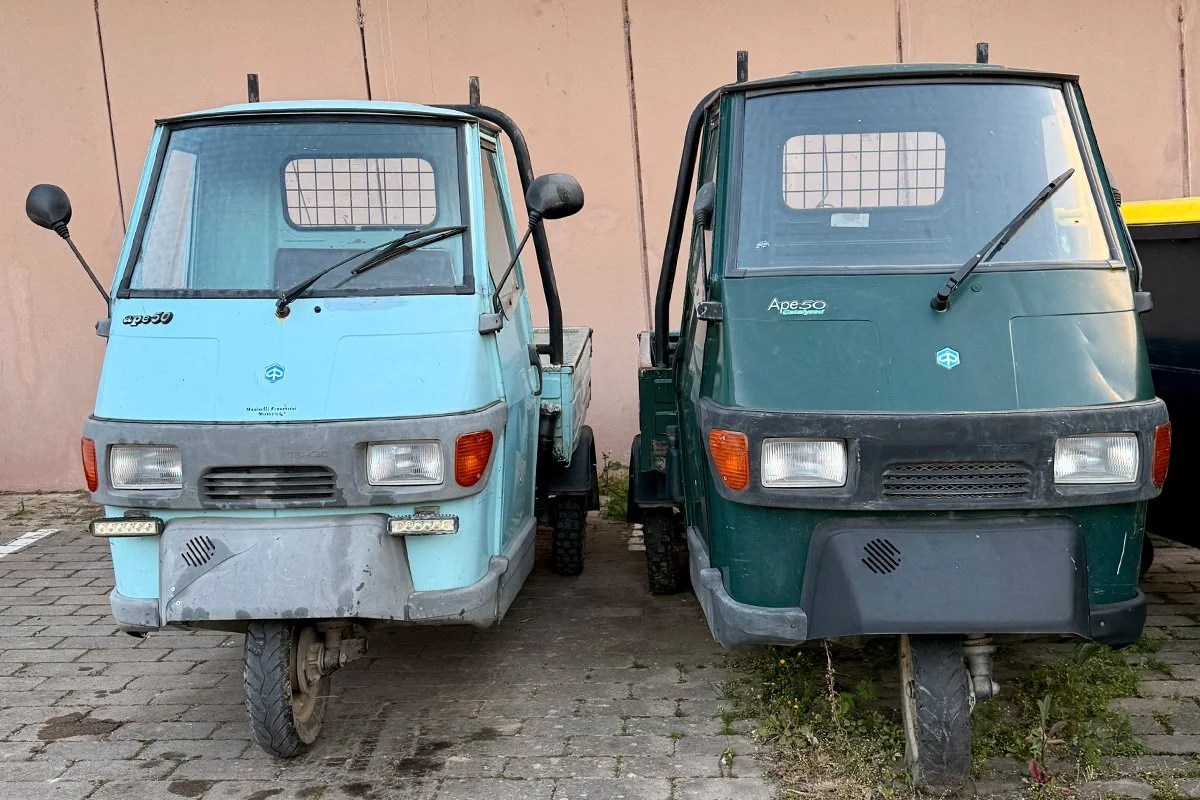
What 200 days in Italy have taught me about greetings, farewells, spritzes and the fear of aircon.
Two hundred days into living in Italy, I’ve realised this wonderful country runs on rules nobody told me about. They’re not in any of the guidebooks, and definitely not on Duolingo.
Every day brings a new surprise, a charming contradiction, or a quirk so Italian it makes me laugh out loud.
I’ve started keeping a mental list of these little wonders — things you’d never spot as a tourist but that become glaringly obvious when you live here.
So… ascolta! (that’s “listen up” in Italian) — because here are a few of my faves.
“Ascolta…” Means Stop Everything
Italians don’t just talk. They perform — volume turned up, hands wildly flapping. And before any performance begins, they announce it with a resounding “Ascolta…” (“Listen!”).
You have no choice. Whether it’s global politics, gossip about a wild boar invading a neighbour’s veggie patch, or detailed instructions on how to boil pasta correctly, you will listen.
Resistance is futile.
Hello, Goodbye!
When the phone rings, Italians don’t answer with a polite “Hello.” Instead, it’s “Pronto!” — literally “Ready!”
It feels like a duel or a stage entrance: Pronto! Let’s begin.
“Goodbyes”, however, are a whole different show. On the phone, farewells become a melodic ritual: “Ciao… ciao, ciao, ciao, ciaooo!” The closer the friendship, the longer the chain of ciaos.
I’ve even heard someone trail off into a rhythm of “ch…ch…ch…ch-es!”
In person, greetings are a brisk “Ciao!” but the goodbye? A long, slow, theatrical “Ciaoooooooooooo” — like a cat being strangled.

“Pronto!” = I’m ready. Let’s begin.
Beware the “Hit of Air”!
Despite baking summers, air conditioning is viewed with a deep suspicion here in Italy. A cold draft equals colpo d’aria — a “hit of air” — said to cause stiff necks, headaches, even bronchitis.
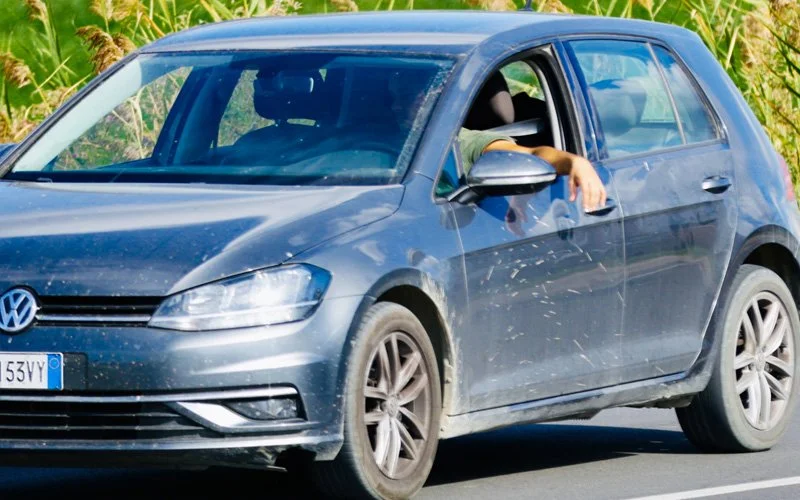
Scarves are worn year-round, and motorists drive with windows down, one arm slung casually over the sill.
One Drink, Forever
A bar table in Italy isn’t about drinking — it’s about being.
You order a vino and then… sit. For hours. Italians don’t need rounds of drinks; they need conversation (or a quiet game of cards).
That single glass sits sweating in the sun while laughter fills the piazza.
Meanwhile, I’m halfway through my third and wondering if I’ve broken some unspoken rule.
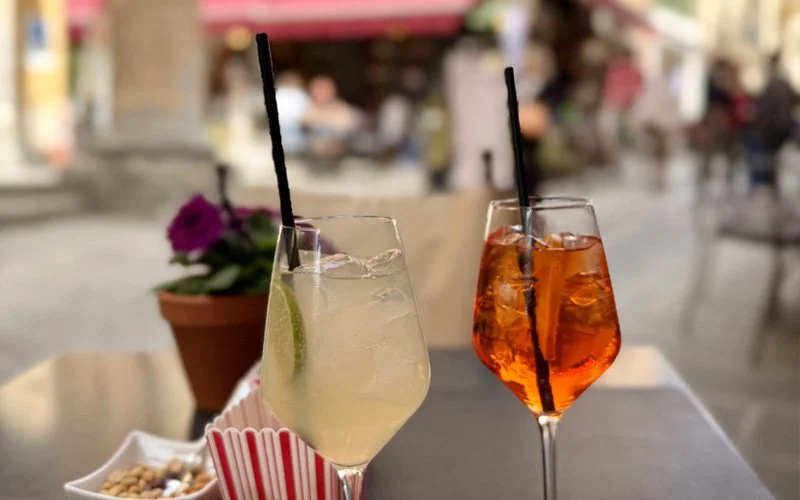
One Spritz is never enough.
Words on the Wind
Even on a peaceful mountain trail, where most cultures prize silence, Italians talk. Constantly.
I joined a local walking group and up in the forested hills, their chatter echoed through the trees. No wild boar or wolf would dare approach.
Hiking here is a moving piazza: stories climbing switchbacks, jokes tumbling downhill.
You can hear our walking group for miles - even at night!
Riposo: The Sacred Rest
Lunch breaks aren’t 45 minutes with a sad egg-and-lettuce sanger. They’re three, sometimes four glorious hours.
Shops close, towns fall silent and everyone either eats like emperors or sleeps like saints.
As a foreigner, you learn fast: between noon and 4 p.m., you’re not running errands — you’re admiring shutters.
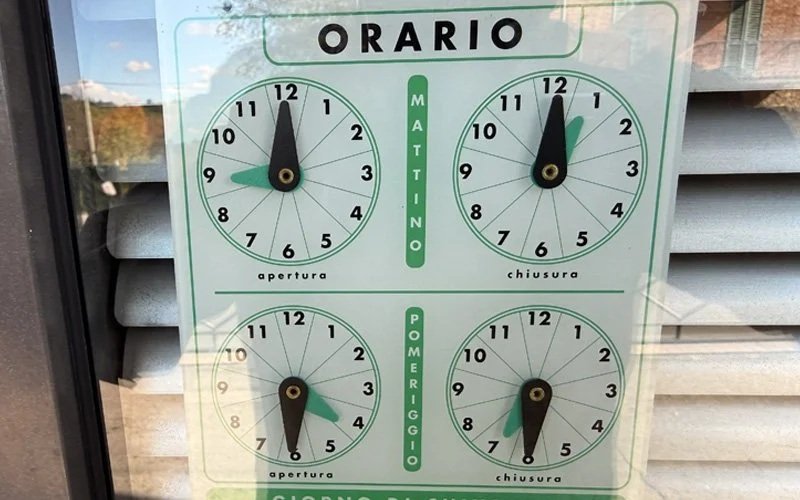
Store Opening hours can be … flexible.
August Means Vacanza
Come August, the whole country presses pause. Shops shutter, businesses vanish, and beaches bloom with rows of identical umbrellas.
Need a tradie mid-August? Buona fortuna!
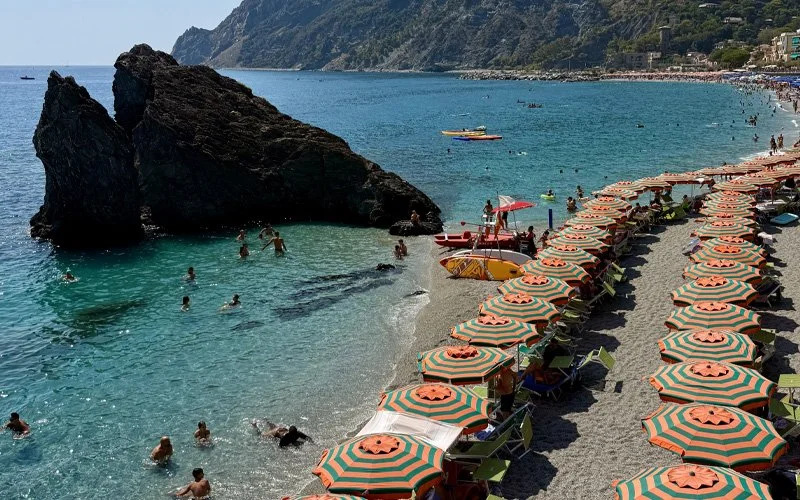
August is holiday time at the beach for almost every Italian.
Design and Ingenuity
Italy is the land of Ferrari and Armani — but also of brilliant improvisation.
I’ve seen bathrooms where the door only just clears the sink by a single millimetre. In Italy, beauty matters, but so does making do.
Listening Between the Lines
All these quirks have taught me something important: in Italy, you don’t just live life — you narrate it, perform it, savour it.
To understand Italians, you have to listen.
Listen to the endless ciaos, the stories echoing up the mountains, the silence of a town at midday.
And maybe, just maybe, remember to pack a scarf — even in August.
