My Long Italian Summer
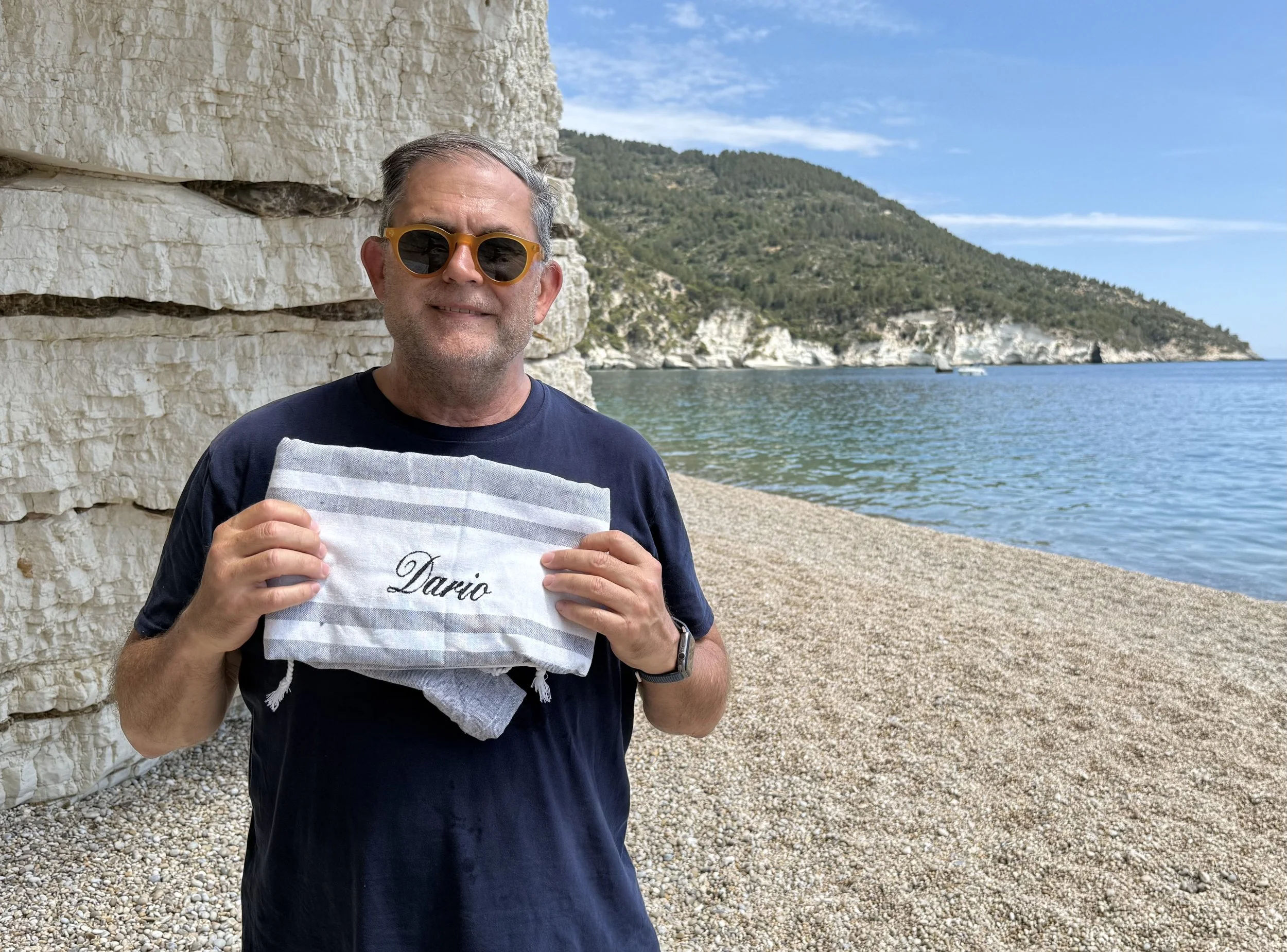
The End of a Magical Season
These days the sun dips a little earlier behind the distant Tuscan hills west of my terrazzo panoramico. The evenings already carry the freshness of autumn, while winter jumpers slowly awaken from their summer slumber. After months of light-filled days filled with touring adventures, historic festivals, and endless gelati, my first Italian summer as a resident has come to a close.
This magical season began in May, when summer still felt young and full of promise — a refreshing change from the dread I’ve often felt as the heat and humidity of an Australian summer looms. As much as I love the countryside of Umbria, I knew my summer cravings for the beach would push me to travel.
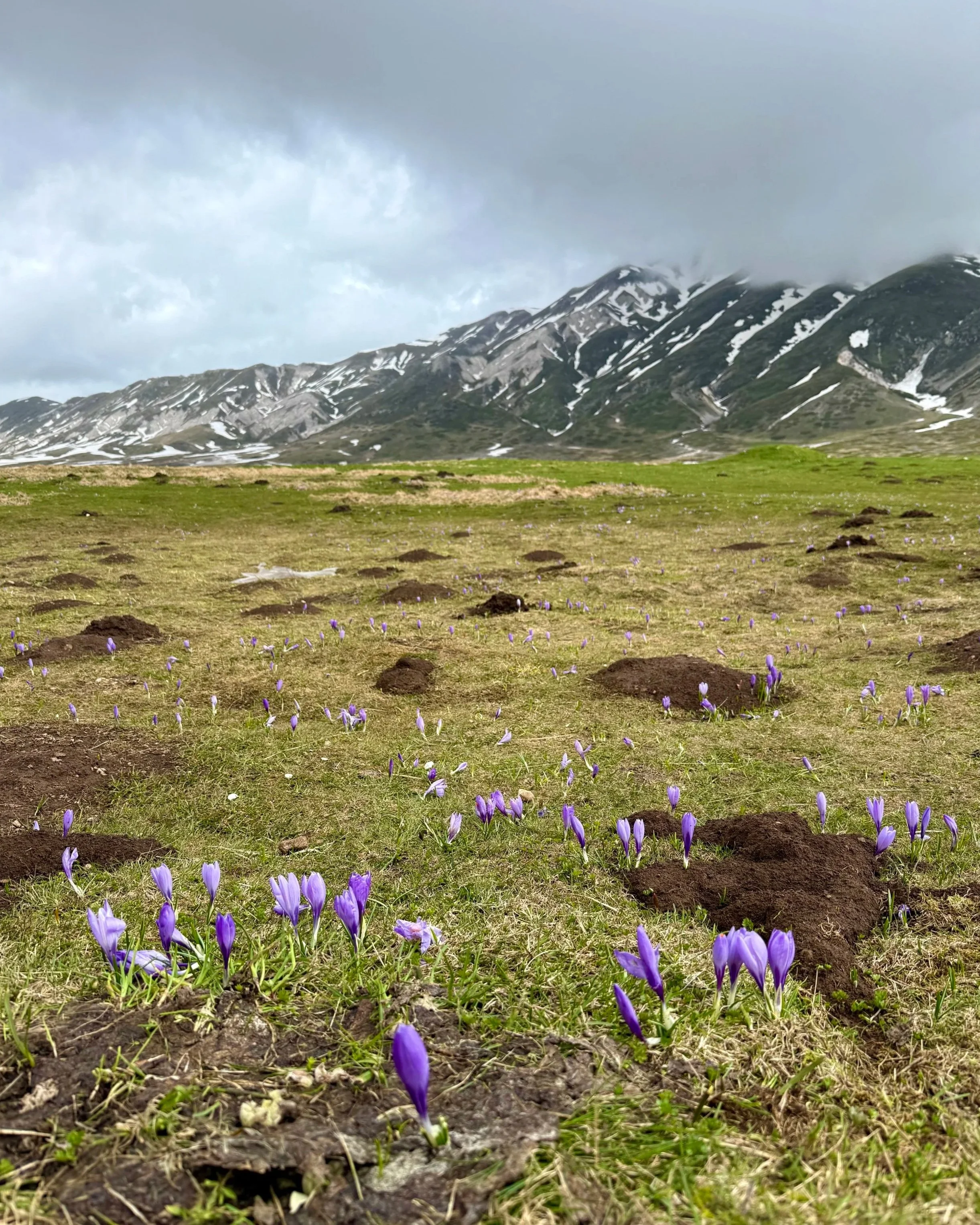
Campo Imperatore in Abruzzo was carpeted in violet crocus flowers just days before.
May: Mountains & Coastlines
My first adventure took me south, via L’Aquila in Abruzzo, where the magnificent snow-capped Apennines tower above everything — and where scars of the 2009 earthquake are still evident. Sadly, many towns still have residents living in temporary housing more than 15 years later. A highlight was driving up to Campo Imperatore, a vast plain in the Gran Sasso massif. Just days before, the meadows had been carpeted in violet crocus flowers that bloom briefly each spring.
Next came the picturesque coastline of Puglia. Monopoli proved the perfect base, with whitewashed alleys spilling toward the sea and easy drives to Polignano a Mare, Matera, Alberobello, Locorotondo, Martina Franca and Ostuni. Dotted throughout the countryside are the region’s famous trulli huts, their conical stone roofs pointing skyward.
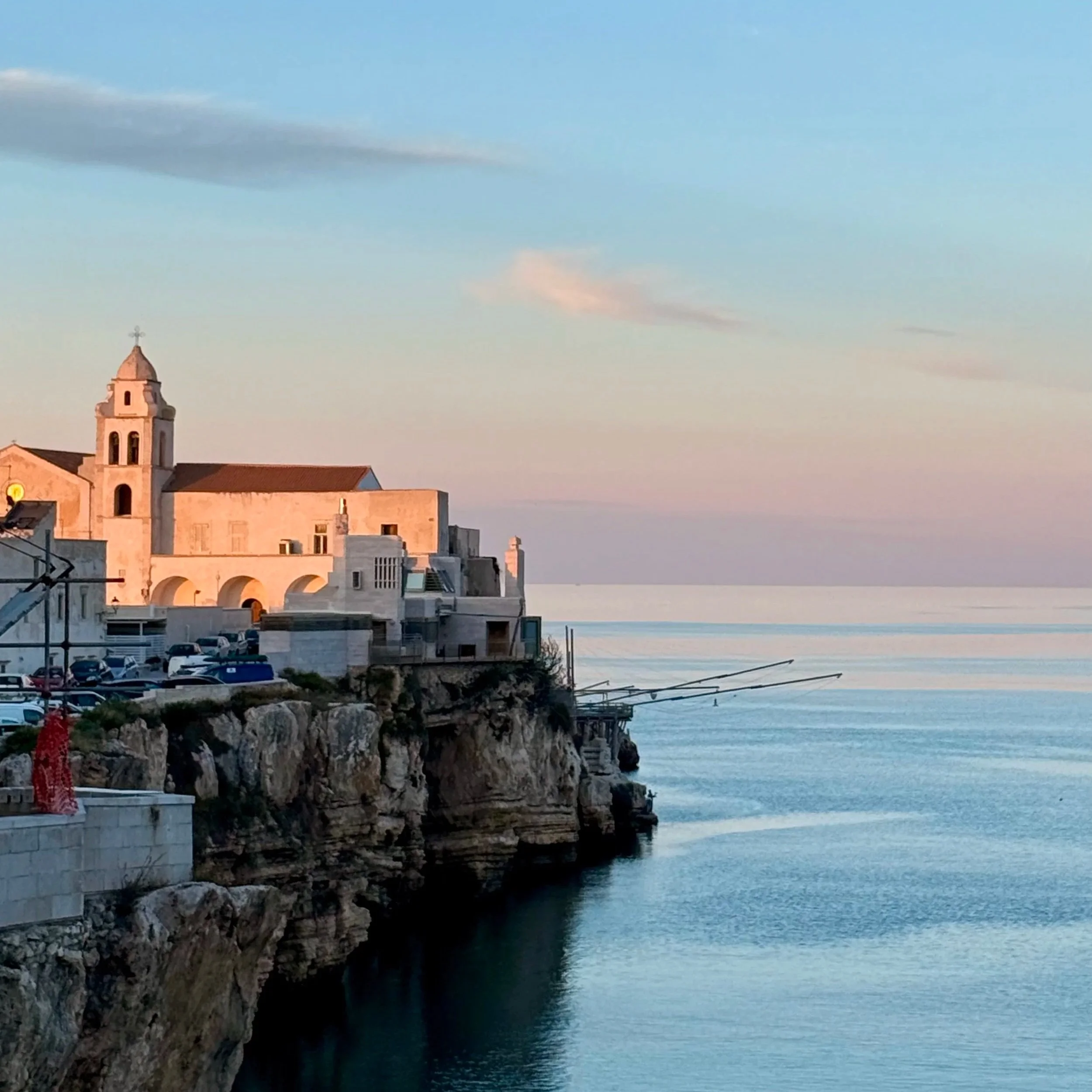
Vieste sits on the dramatic Gargano Coast.
Vieste to the north was an unexpected gem, perched dramatically on a coastline of sheer limestone cliffs, turquoise waters, and ancient trabocchi fishing huts stretching out to the sea.
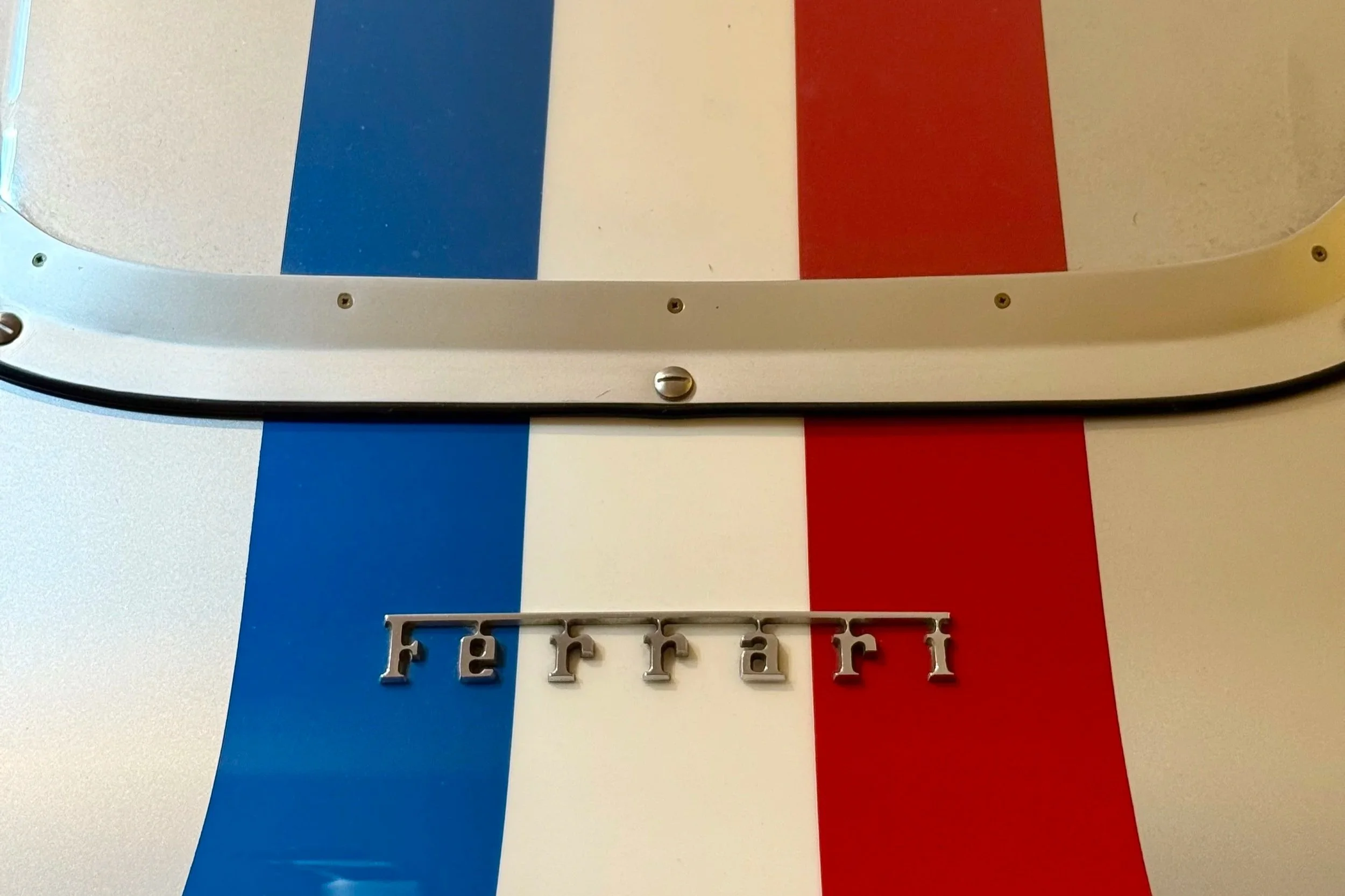
Maranello is all about the Prancing Horse.
June: Food, Fast Cars & A View to a Kill
By June, both the heat and my itinerary were building. Emilia-Romagna pulled me in with its irresistible mix of food and fast cars: Maranello - the home of Ferrari, Parma’s culinary treasures, Modena’s balsamic traditions (Tip: pour some Balsamic on gelato), and the stately piazzas of Reggio Emilia. Each town felt like a different chapter. June also took me back to Rome to see Duran Duran at Circus Maximus — unforgettable!
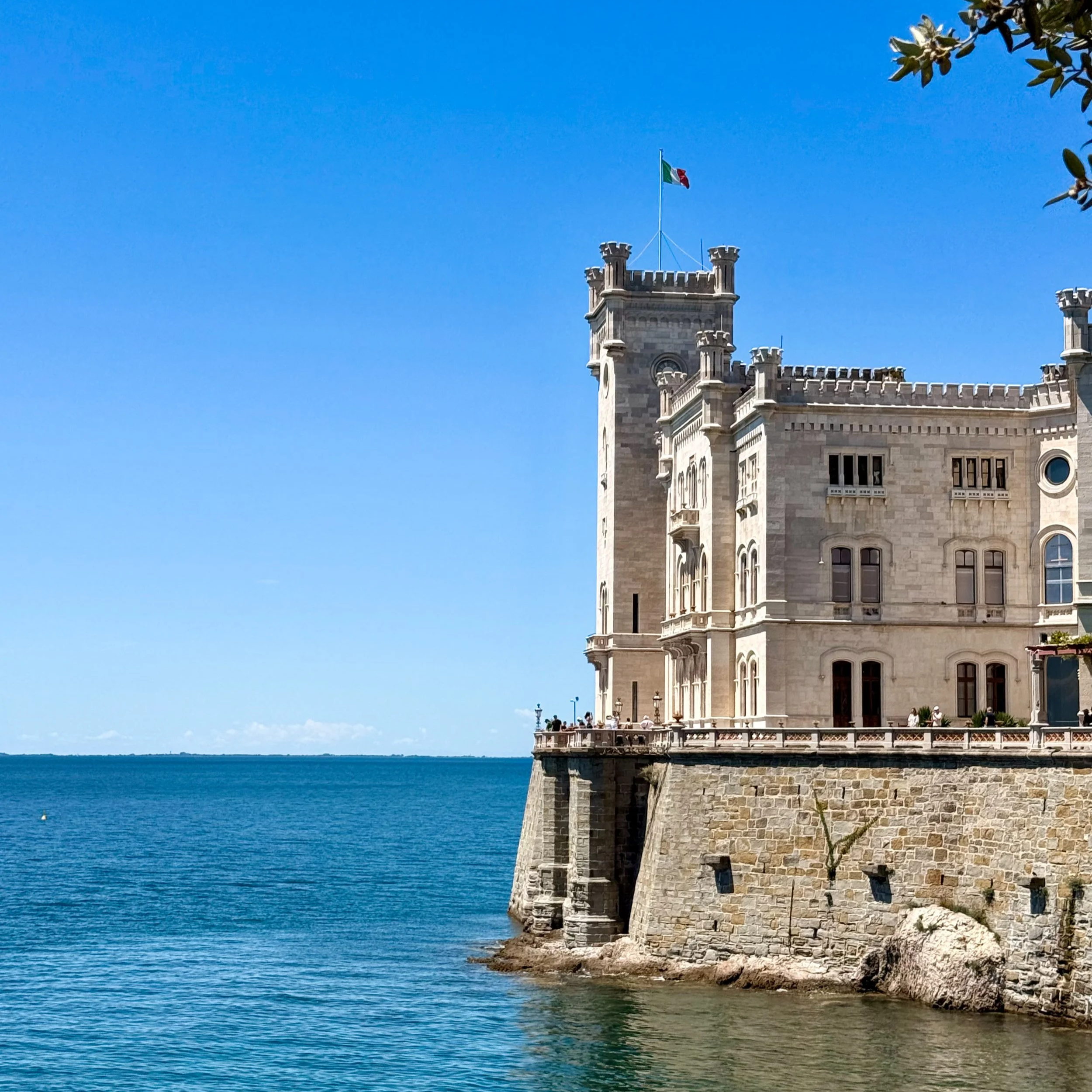
Trieste is a wonderful blend of Italy, Hungary and Austria.
July: Bologna, Bridges & A Better Man
July opened more doors. Bologna left a lasting impression with its 42km of porticoed streets, bustling markets, and meat platters overflowing with mortadella. Further north, in Trieste, Robbie Williams awaited — I’m now a convert! Trieste itself is a unique city shaped by Austro-Hungarian elegance and cuisine. On the way home, I stopped at Comacchio (aka Little Venice) with its quaint canals, bridges and a nearby salt basin with pink Flamingoes.
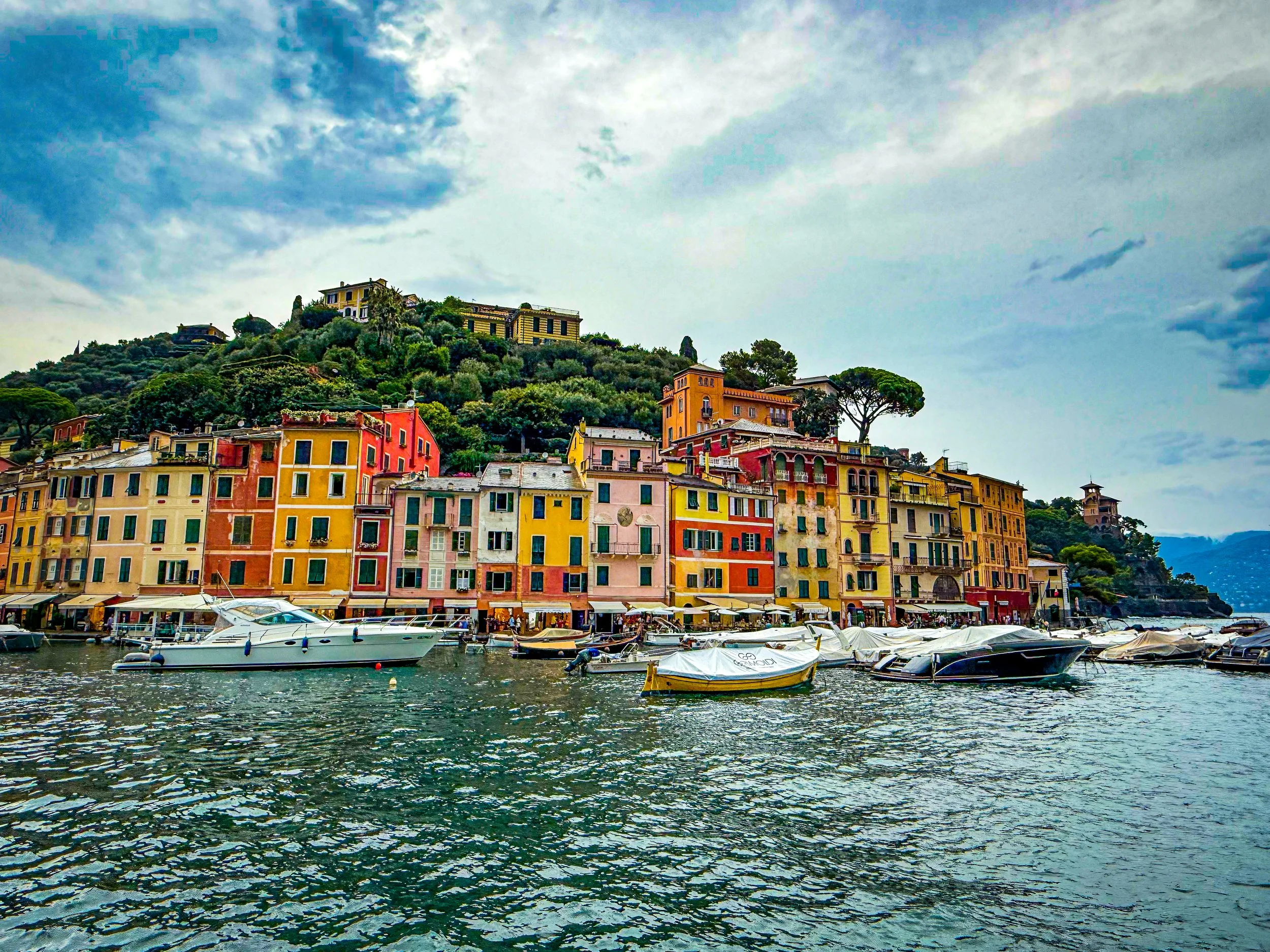
Portofino is beautiful… but expensive, very expensive.
August: Northern Exposure
August, the height of summer, found every Italian fleeing the cities for the beach or a lake – it’s the only month they seem to holiday. As an ‘L Plate Italian’, I did the same and headed north. Lake Como was spectacular yet exhausting — climbing 152 stairs to my Airbnb in 38-degree heat wasn’t fun, but the view made up for it. Renting a motorboat to explore the lake is a must: swim in the cool waters, admire grand villas, and even cruise past George and Amal’s place to say “G’day”.
Torino quickly became a favourite destination. Its French-inspired architecture, elegant cafés and famous Bicerin — a layered mix of espresso, chocolate and frothed cream — made it unforgettable. Tip: sip Bicerin without stirring to taste the layers. The city’s grandeur owes much to its long reign as the capital of the House of Savoy.
I also wandered the pastel villages of the Cinque Terre, Portofino and Santa Margherita Ligure; glided through Venice’s canals at sunset; and finished in Milan, a city buzzing with both tradition and modernity.
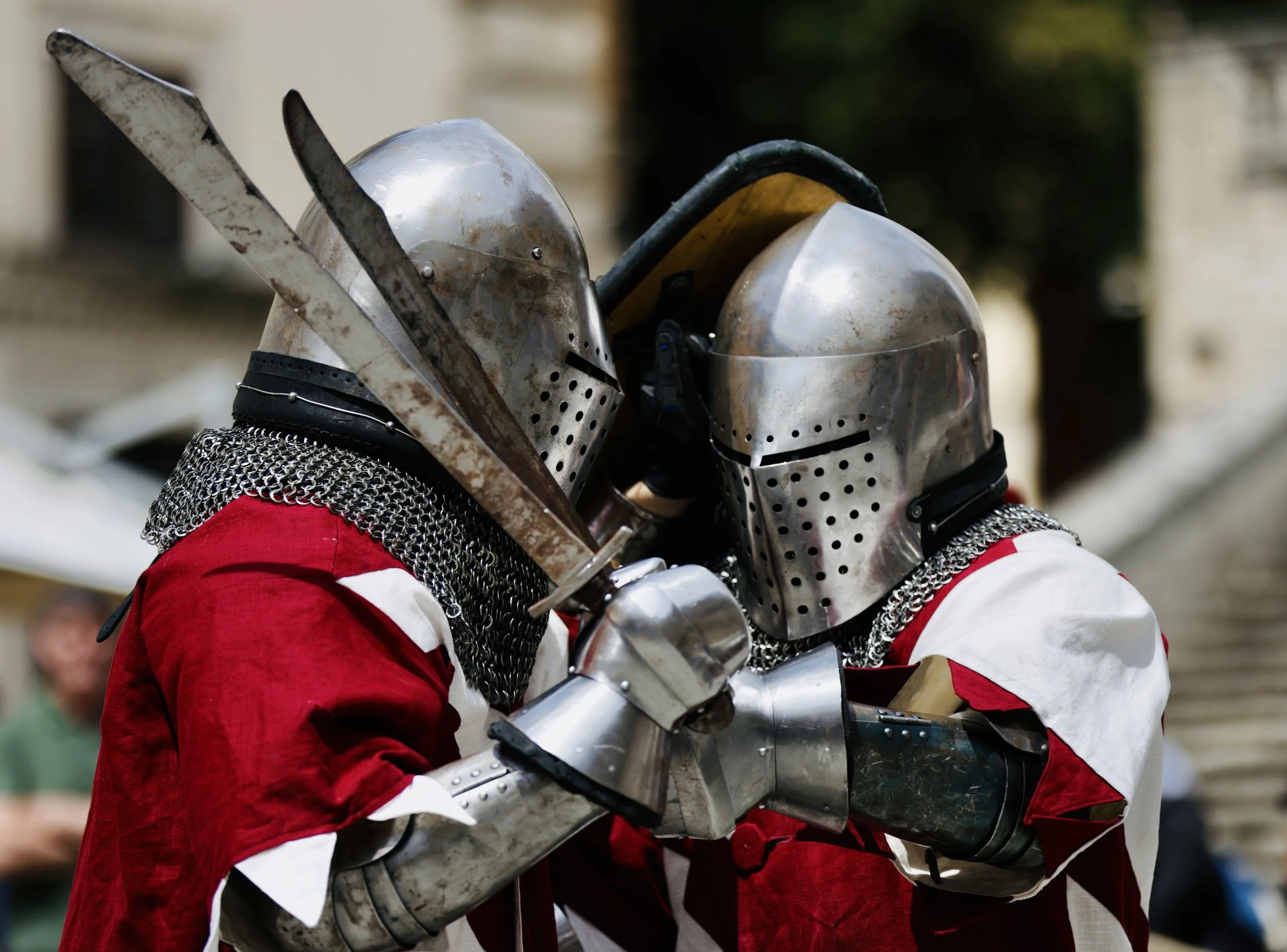
Todi stages medieval festivals in May and October.
Festival Season
When not travelling, I tried to catch as many of the local summer festivals as I could. Medieval celebrations in Todi, Bevagna and Solomeo filled the streets with weaponry demonstrations and artisanal markets. Food is never forgotten either, with sagre devoted to truffles, wild boar, snails, fish, asparagus, strawberries, olives and wine. Umbria Jazz in Perugia was also a blast!
Paciano’s own festival may lack medieval pageantry, but it makes up for it with sheer fun — especially the Corsa dei Carretti, where otherwise sane adults don helmets, strap rubber to their shoes with duct tape, and hurl themselves downhill on makeshift carts that look suspiciously like Bunnings platform trolleys.
The Summer Ends, But the Story Continues
As autumn arrives, I’ll miss those long summer evenings and the easy excuse of another gelato in the piazza. But, as I’m quickly learning, Italy reveals new flavours and experiences with every season.
If summer was about discovery, autumn may well be about belonging.
